Smart Devices – Do They Really Belong on a Homestead?
Homesteading and Tech
Original post: January 4, 2026 / Last Updated: May 17, 2026
I embrace useful technology on the homestead. Instant access to information, safety features like overheat protection on solar chargers, digital photography for sharing on websites and social media, and reliable cell service anywhere on the property—all these enhance our lives without compromising core values. But I draw a hard line at most “smart” devices. As a homesteader, I find them invasive, data-hungry, and often more beneficial to corporations than to users. Many features feel like gimmicks designed to lock us in rather than truly improve daily life.
Check us out on our video platforms or continue below to read the blog.
YOUTUBE:

RUMBLE:

Why I’m Avoiding Most Smart Devices
● Privacy invasion
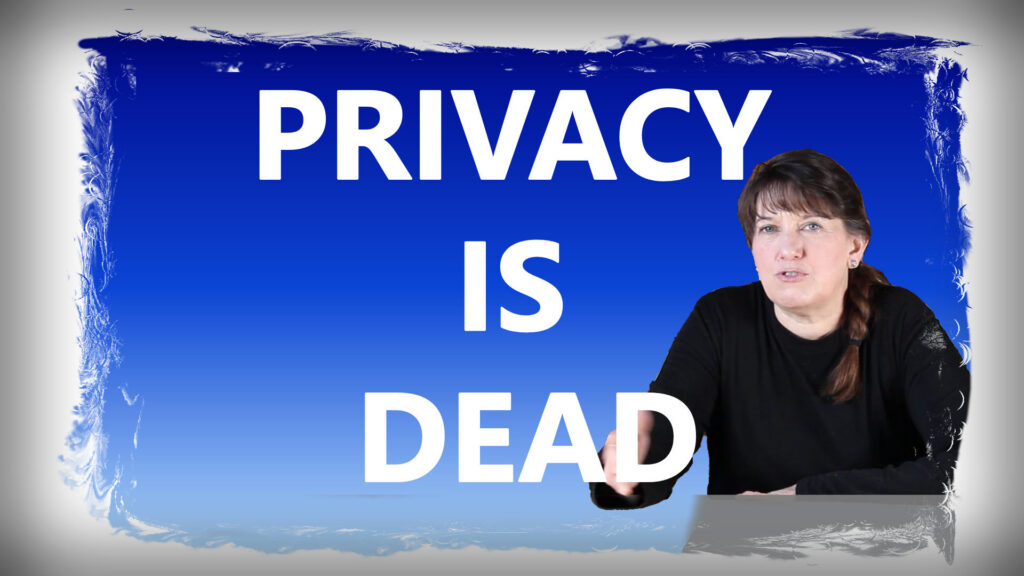
Smart speakers, phones, modern vehicles, and even appliances track location, voice commands, and daily habits. This data is frequently shared with corporations—and sometimes governments. Homesteaders prize self-reliance and freedom; constant surveillance undermines both. If a device knows exactly when your property is empty, you’ve handed potential thieves a schedule. Patterns of travel or association could label you politically or religiously. Who has access to that profile, and how might they use it?
● Questionable legality and ethics
Companies often sidestep privacy laws with clever workarounds. Data might flow to foreign entities or third parties with unclear motives. Could your smart fridge influence health insurance rates based on eating habits? Could driving data raise your auto premiums? For homestead businesses, could competitors (or their AI tools) harvest insights from your devices? Even broad group-pattern analysis can be weaponized. Many practices exist in legal gray zones that haven’t yet been challenged.
● Loss of practical skills
Over-reliance on GPS erodes map-reading ability. Smart meat probes replace learning to judge doneness by feel or visual appearance. Phone weather apps displace observing clouds and wind shifts. Digital calendars and lists weaken manual planning and memory. We’re trading hard-won traditional knowledge for convenience.
● Mental clutter and distraction
Constant notifications already fragment attention. Adding more connected devices multiplies the interruptions, pulling us away from meaningful work and the quiet focus homesteading demands.
● Excessive dependency
Most smart devices need reliable internet and grid power – exactly the systems homesteaders try to insulate themselves against. When the grid or web goes down, so does your “smart” home. True resilience means not betting daily life on infrastructure beyond your control.
● Health concerns
Screen addiction disrupts sleep and strains eyes. Growing evidence raises questions about long-term EMF and radio-frequency exposure. Natural living is a cornerstone of homesteading.
● Environmental impact
Smart gadgets often become obsolete quickly, fueling planned obsolescence and landfill waste. Sustainability favors durable, repairable tools – not disposable electronics.
● Security vulnerabilities
Every connected device is hack-able. A malicious actor could spy through cameras, disable heat in winter, or spoil an entire freezer of food. The risk to privacy, safety, and financial loss is real – and homesteaders have too much to protect to gamble on it.
● Hidden and ongoing costs
Subscriptions, forced updates, proprietary repairs, and sudden feature paywalls turn one-time purchases into recurring expenses. Right-to-repair restrictions tie you to the manufacturer. Simple, long-lasting tools align far better with homesteading economics.
● Weakened community ties
While tech can connect us virtually, it often isolates us in real life. Many become absorbed in screens instead of face-to-face relationships. Strong local, in-person community has always been a homesteading strength – something worth preserving.
● Fueling consumerism
Algorithmic ads and targeted nudges push constant buying. Homesteaders aim to think independently and live intentionally, not react to engineered impulses.

Conclusion
Homesteading centers on simplicity, independent thinking, deep connection to nature, privacy, security, and resilience. Many smart devices directly conflict with those values. Technology absolutely has a place here – when it empowers rather than controls us. The key is staying conscious of what we adopt, what freedoms we surrender, and whether the trade-off truly serves the life we’re building.
Thank you so much for your support!
We are full time homesteaders at Pioneer Mountain Homestead in the Appalachian Mountains of south-central Pennsylvania. We have a sawmill, produce garden, honeybees, layer hens, laying ducks, pigs, and goats. We provide boat and camper storage to nearby visitors of Raystown Lake and sell firewood and lumber in south central Pennsylvania. Our journey is to be as self-reliant as we can be; to live as much as we can from the resources we have at hand; to effectively be productive with as minimal environmental impact as possible; to raise food in an organic manner; and to give back to our community through education or demonstration. We are always learning, as well. Life is always an adventure! We enjoy learning from others and seeing what other people are doing as well. – Bren and Chuck
Disclaimer: Pioneer Mountain Homestead blogs, vlogs, opinions, and videos are for entertainment purposes only. Always read and understand safety guidelines when using any information shared by Pioneer Mountain Homestead, LLC.
Other products or information you may be interested in:


Disclosure of Material Connection: Some of the links in this page or post may be “affiliate links”. This means that if you click on the link, Pioneer Mountain Homestead, LLC may receive an affiliate commission at no direct cost to you. Pioneer Mountain Homestead, LLC only recommends products or services that the owners, managers, or employees of Pioneer Mountain Homestead, LLC use or believe will add value to the readers of this website. This disclosure is made with the Federal Trade Commission’s 16 CFR, Part 255: “Guides Concerning the Use of Endorsements and Testimonials in Advertising.”