Eating and Living Seasonally on the Homestead
Homestead Kitchen
Original post: January 3, 2026
Today I want to talk about eating and living seasonally on the homestead. It’s January here in our borderline zone 5/6 area, and almost nothing is growing outside – maybe a few kale plants or other cool-weather crops if we’re lucky. But the root cellar is full: pumpkins, potatoes, winter squashes, and sweet potatoes. The freezer and pantry hold meat from animals we raised and butchered. The hens slow down in winter, so most of our eggs come from water-glassing, though we still get the occasional fresh one. The goats give us fresh milk every day. Jars of canned and fermented fruits and vegetables line the shelves, and we have plenty of dried spices and fruits. Our menu shifts with the seasons, built around whatever we have on hand.
Winter
Winter meals are rich in meats, cheeses, winter squashes, and root vegetables – a calorie-dense diet full of protein, fats, and complex carbohydrates. The body needs those extra calories to stay warm, and slow-cooked dishes add welcome heat to the house. Spices become essential; without them, many stored foods would taste bland. They also bring valuable phytochemicals and health benefits. Excess milk turns into yogurt or cheese, and with shorter days comes more indoor time – perfect for milling grains and baking fresh bread.
Spring
Spring brings longer days and brisk air. The chickens start laying in earnest, giving us plenty of eggs. Tender baby greens appear for quick, fresh salads. But spring is our busiest season: gardens go in, bees need checking, baby animals arrive, winter damage gets repaired, and barns get their annual deep clean. Meals are small and frequent. A big breakfast – often built around eggs and the last of the stored potatoes – fuels the morning. Throughout the day we grab quick bowls of soup, sandwiches, or salads. Late spring delivers the first berries, perfect for snacking. With so much work outside, elaborate cooking takes a back seat to fast, simple food.
Summer
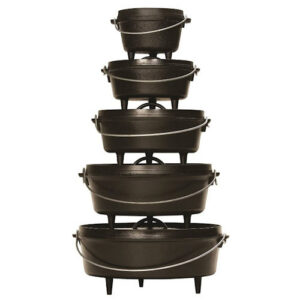
Summer means long, hot, humid days. Outdoor work continues, but we often break during the hottest afternoon hours. Fresh vegetables and fruits abound, rounded out by eggs and fresh milk. Meals become creative ways to use up whatever is most abundant that day. To keep the house cool, we cook outside – on the grill, over the fire pit, or in cast-iron Dutch ovens on tripods. Dishes range from cool salads and sandwiches to roasted vegetables and meats cooked in the fire. We finish off the previous year’s burgers and steaks on the grill. As harvest ramps up toward the end of summer, canning, freezing, drying, and fermenting become daily tasks.
Autumn
Autumn stays busy: final harvests come in, animals are butchered, egg production slows, and the last big push of preservation wraps up. Cooler weather brings hunting season, and fresh game meat is always a treat. Winter squashes, the final potato harvest, pumpkins, and sweet potatoes go into the root cellar. Apples and pears join them in cool storage. Autumn feels like a celebration of the year’s hard work.
Why Living Seasonally Matters
● It aligns our daily rhythm with nature’s cycles, drawing us closer to the land and the environment around us.
● It lets us eat fresh, peak-season food – superior in flavor and nutrition – while reducing reliance on grocery stores and fragile supply chains.
● It encourages working with available daylight rather than against it, making chores more efficient and conserving energy.
● Preserving seasonal abundance provides year-round self-sufficiency and sustainability.
● Winter’s shorter days offer a natural “rest” period – time for planning, reflection, and patience in a world that rarely slows down.
● It promotes sustainable practices with lower environmental impact, perfectly in line with traditional homesteading values.
● It preserves and celebrates cultural traditions – harvest festivals, county fairs, farmers’ markets, and spring gatherings – that strengthen community across generations.
● It sharpens practical skills and deepens nature observation (wildlife patterns, sky changes, weather signs, bird migrations), reducing dependence on apps and forecasts..
Conclusion
Seasonal living is both deeply practical and emotionally rewarding. It reconnects us to a simpler lifestyle, to nature, to self-reliance, to our heritage, and to traditions that ground us. In an increasingly uncertain world, that connection feels more valuable than ever.
Thank you so much for your support!
We are full time homesteaders at Pioneer Mountain Homestead in the Appalachian Mountains of south-central Pennsylvania. We have a sawmill, produce garden, honeybees, layer hens, laying ducks, pigs, and goats. We provide boat and camper storage to nearby visitors of Raystown Lake and sell firewood and lumber in south central Pennsylvania. Our journey is to be as self-reliant as we can be; to live as much as we can from the resources we have at hand; to effectively be productive with as minimal environmental impact as possible; to raise food in an organic manner; and to give back to our community through education or demonstration. We are always learning, as well. Life is always an adventure! We enjoy learning from others and seeing what other people are doing as well. – Bren and Chuck
Disclaimer: Pioneer Mountain Homestead blogs, vlogs, opinions, and videos are for entertainment purposes only. Always read and understand safety guidelines when using any information shared by Pioneer Mountain Homestead, LLC.
Other products or information you may be interested in:
Disclosure of Material Connection: Some of the links in this page or post may be “affiliate links”. This means that if you click on the link, Pioneer Mountain Homestead, LLC may receive an affiliate commission at no direct cost to you. Pioneer Mountain Homestead, LLC only recommends products or services that the owners, managers, or employees of Pioneer Mountain Homestead, LLC use or believe will add value to the readers of this website. This disclosure is made with the Federal Trade Commission’s 16 CFR, Part 255: “Guides Concerning the Use of Endorsements and Testimonials in Advertising.”