Chamomile: Nature’s Gentle Herbal Remedy
Homesteading-Natural Health and Remedies
Original post: January 13, 2026
Chamomile is one of my absolute favorite teas. When I’m feeling edgy, overwhelmed, or just need to unwind, a warm cup calms my mind and brings everything back to a gentle place. But chamomile is so much more than a soothing drink – it’s a versatile, easy-to-grow herb with a long history of gentle healing.
DISCLAIMER: This information has not been evaluated by the Food and Drug Administration. This information is not intended to diagnose, treat, cure, or prevent any disease. For educational purposes only. If you are considering using herbs for a medical condition, it is important to consult with a healthcare professional before doing so.
The Two Main Types of Chamomile
Chamomile actually refers to two distinct plants with similar healing properties, though they differ in growth habit, flavor, and best uses:
German (or Hungarian) Chamomile (Matricaria chamomilla / Matricaria recutita)
• This annual is the most common for teas and medicinal use and has been historically used regularly across Europe and America. It grows upright to about 3 feet tall with feathery leaves and abundant, daisy-like flowers. It has a mild, sweet flavor and blooms prolifically starting around 6 weeks after planting. German chamomile thrives in full sun to partial shade, sandy or well-drained soil, and self-seeds easily if flowers are left to mature.
Roman (or English) Chamomile (Chamaemelum nobile / Anthemis nobilis):
• Often used as a ground cover, the perennial Roman chamomile is smaller, rarely exceeding 9 inches. Roman chamomile tends to be more bitter and is often used in more concentrated forms. It can be grown from seeds, but offshoots are the preferred propagation method for many people. Roman chamomile has two sub types: single flower and double flower. Roman chamomile adapts well to different soils but prefers moist, well-manured loam.
Both share calming, anti-inflammatory benefits, but German is the go-to for home tea and remedies due to its prolific blooms and milder taste.
Harvesting Chamomile Flowers
Pick flowers from late spring through late summer on dry days (avoid dew or rain to prevent mold). The ideal time is midday when blooms are fully open but petals haven’t started drooping – this maximizes essential oils. Harvest by snipping just below the flower head.
Dry them promptly at low temperatures (around 70–85°F) in a dark, well-ventilated spot – spread in a single layer on screens or trays. Avoid direct sun to preserve volatile oils and color. Once crisp (usually 1–2 weeks), store in airtight jars away from light and heat.

Medicinal Benefits and Uses
Chamomile’s gentle power comes from compounds like apigenin (a flavonoid that aids in calming), bisabolol (which reduces inflammation and aids in skin healing), and essential oils. Here are some well-supported benefits:
●Stress, Anxiety, and Sleep Support
Chamomile promotes relaxation and eases mild anxiety. Apigenin is thought to contribute to its sedative-like qualities. Many people drink a cup before bed for better sleep – studies show it improves sleep quality, especially in those with anxiety or mild insomnia.
●Digestive Comfort
Its anti-inflammatory and antispasmodic properties soothe indigestion, nausea, and gastritis. It’s a traditional remedy for upset stomachs, Irritable Bowel Syndrome-like symptoms (IBS), and even mild gastritis or diverticulitis discomfort. Sip after meals for relief.
●Pain and Muscle Tension Relief
As a mild relaxant, chamomile eases tension headaches, muscle aches, and stress-related discomfort. It can promote relaxation.
● Skin Health
Anti-inflammatory and antibacterial qualities make it excellent for irritated skin, eczema, psoriasis, minor wounds, or rashes. Topical use (strong tea or ointments) soothes redness and promotes healing – some studies suggest it rivals low-dose hydrocortisone for certain inflammatory conditions.
●Immune and Infection Support
Its antimicrobial properties may help with minor colds, sore throats, or bronchial issues, offering gentle immune support during cold season.
How to Use Chamomile
Chamomile’s versatility allows it to be used in a variety of forms, from teas to topical applications. Here are some of the best ways to incorporate chamomile into your daily routine.
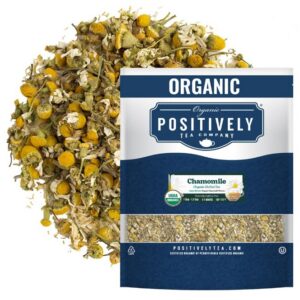
●Tea (my favorite!): Steep 1–3 teaspoons dried flowers in hot water for 10–20 minutes. You can drink it in the evening to help calm the mind and promote sleep or enjoy it throughout the day for its digestive and anti-inflammatory benefits.
●Topical: Brew a strong tea for compresses, rinses, or baths to soothe skin. Add to homemade salves or creams.
●Other Forms: Chamomile is also available in tinctures, supplements, and essential oils. These forms are great for those looking for concentrated doses or prefer not to drink tea. Chamomile essential oil can be diffused into the air or applied topically (when diluted with a carrier oil) for relaxation and skin care.

Possible Side Effects and Precautions
Some individuals may be allergic to chamomile, especially those with sensitivities to plants in the ragweed family. If you experience symptoms of hay fever, such as itching, sneezing, or a runny nose, it’s best to discontinue use.
Historical reviews show very few serious issues—no reported deaths from chamomile use in long-term records, with allergies being uncommon and mostly mild. Researchers that compiled a list of medical records from 1887 to 1982 found no deaths from Chamomile usage. It did find 50 allergic reaction in the 95 years of research. Forty five of the incidences were from Roman Chamomile and five of the incidences were from German Chamomile.
Start with small amounts if new to it, and avoid if you have known allergies to related plants.
Conclusion
Chamomile is a homestead staple: easy to grow, gentle yet effective, and steeped in tradition. From a calming evening tea to soothing skin remedies, it supports wellness in simple, natural ways.
Whether you enjoy a cup of chamomile tea before bed or apply chamomile-infused products to your skin, this herb is a natural way to support your overall health and wellness. Consider adding chamomile to your daily routine for a calming, healing boost to your body and mind.
DISCLAIMER: This information has not been evaluated by the Food and Drug Administration. This information is not intended to diagnose, treat, cure, or prevent any disease. For educational purposes only. If you are considering using herbs for a medical condition, it is important to consult with a healthcare professional before doing so.
Sources of Information
Browne, Jennifer. The Good Living Guide to Medicinal Tea. Skyhorse Publishing, Inc. 2015.
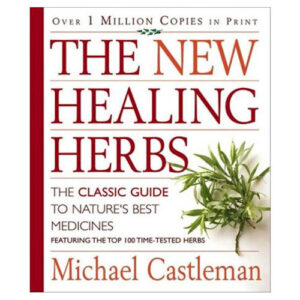
Castleman, Michael. The New Healing Herbs.Rodale, Inc., 2001.
Duke, James A., Ph.D. Dr. Duke’s Essential Herbs. Rodale, Inc. 1999.
Hoffman, David. Herbal.Element Books, 1996.
Murray, Michael, N.D. and Joseph Pizzorno, N. D. Encyclopedia of Natural Medicine, Revised 2ndEdition.Three Rivers Press, 1998.
Thank you so much for your support!
We are full time homesteaders at Pioneer Mountain Homestead in the Appalachian Mountains of south-central Pennsylvania. We have a sawmill, produce garden, honeybees, layer hens, laying ducks, pigs, and goats. We provide boat and camper storage to nearby visitors of Raystown Lake and sell firewood and lumber in south central Pennsylvania. Our journey is to be as self-reliant as we can be; to live as much as we can from the resources we have at hand; to effectively be productive with as minimal environmental impact as possible; to raise food in an organic manner; and to give back to our community through education or demonstration. We are always learning, as well. Life is always an adventure! We enjoy learning from others and seeing what other people are doing as well. – Bren and Chuck
Disclaimer: Pioneer Mountain Homestead blogs, vlogs, opinions, and videos are for entertainment purposes only. Always read and understand safety guidelines when using any information shared by Pioneer Mountain Homestead, LLC.
Other products or information you may be interested in:


Disclosure of Material Connection: Some of the links in this page or post may be “affiliate links”. This means that if you click on the link, Pioneer Mountain Homestead, LLC may receive an affiliate commission at no direct cost to you. Pioneer Mountain Homestead, LLC only recommends products or services that the owners, managers, or employees of Pioneer Mountain Homestead, LLC use or believe will add value to the readers of this website. This disclosure is made with the Federal Trade Commission’s 16 CFR, Part 255: “Guides Concerning the Use of Endorsements and Testimonials in Advertising.”